If you’ve made the decision to purchase a bidet seat or accessory. It’s the best time to get washroom accessories and to finish installing everything in your bathroom. And bidet is one of the most used washroom accessories on the market.
If you’re curious about how to install a bidet or concerned about the cost of having a professional install your bidet. Don’t be overwhelmed! We will explain everything about a bidet in this article, so keep reading.
If you’re curious about how to install a bidet, understanding installation requirements and upfront expenses is essential. Reviewing our comprehensive breakdown of bidet costs outlines equipment pricing from basic attachments to smart seats, helping you evaluate DIY installation steps against professional plumbing fees before getting started.
What Is a Bidet?
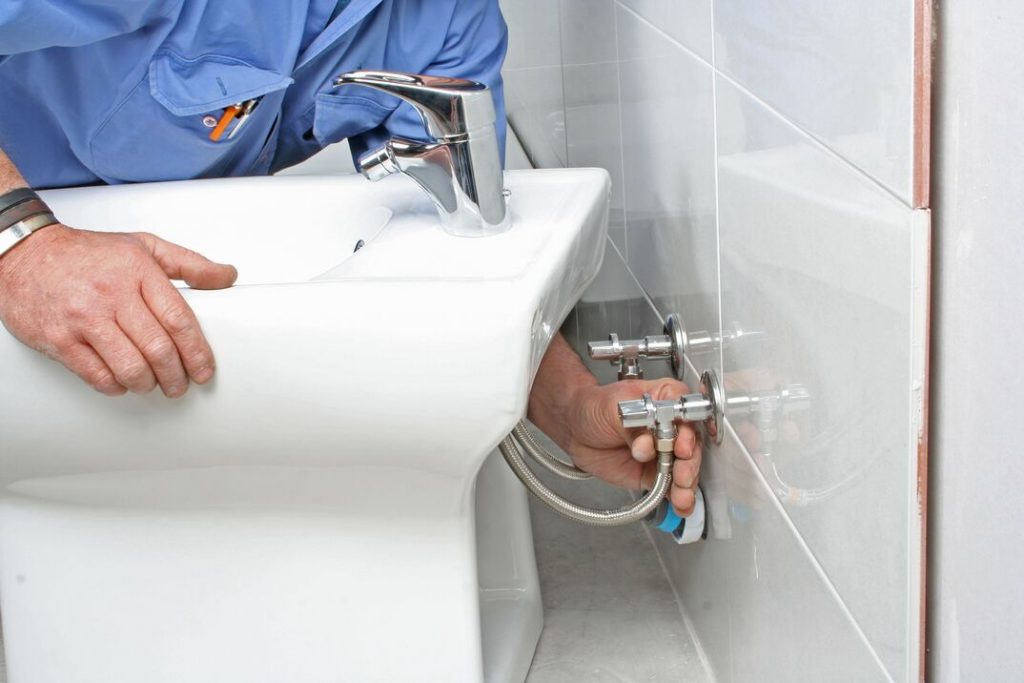
Because of their similar appearance, bidets and regular toilets can be confused. A bidet is designed to direct water from a bidet’s faucet over the user’s body. Its primary function is to serve as a sink.
There are also toilet bidet systems that combine the functions of a toilet and a bidet, eliminating the need for a separate bidet. These central facilities serve as a one-stop shop to dispose of all flushable garbage.
A wide variety of bidets are available, each with its own distinct design and features. Attachable sprayers with nozzles, referred to as “bidets,” are becoming more common in modern toilets.
Types of Bidet
Electric bidet
When comparing electric vs non-electric bidets, electrical models provide luxury features like heated seat rings, tankless continuous warm water, and motorized oscillating wands controlled via side panels or wireless wall remotes.
While electric seats require a code-compliant GFCI outlet near the toilet, their hands-free automated cycles provide invaluable accessibility for elderly users and individuals with restricted mobility.
Non-electric bidet
Classic European standalone bidets are low-mounted porcelain fixtures plumbed separately beside the commode.
Understanding how to use a standalone bidet fixture clarifies why they require dedicated floor space: users complete their bowel movements or urination on the standard commode first, then shift over to straddle the ceramic basin to rinse cleanly with manual hot and cold water taps.
Handheld bidet
Handheld bidet sprayers (popularly known as shattafs or health faucets) feature a flexible hose connected to a trigger-actuated spray wand. Following how to install a handheld bidet sprayer guide walks you through connecting a three-way metal T-valve beneath the toilet cistern fill valve, securing the wall holster, and adjusting the shutoff pressure to prevent accidental leaks.
Portable bidets
You may take your portable bidet with you everywhere you go. They are easily transportable in a backpack, allowing you to leave on a trip immediately. They also are one of the most reasonably priced choices out there. In several Asian and European countries, you might be able to find a bidet at any time. The good thing is that a portable bidet is quite easy to use.
How to Install a Bidet
Removing your existing toilet seat
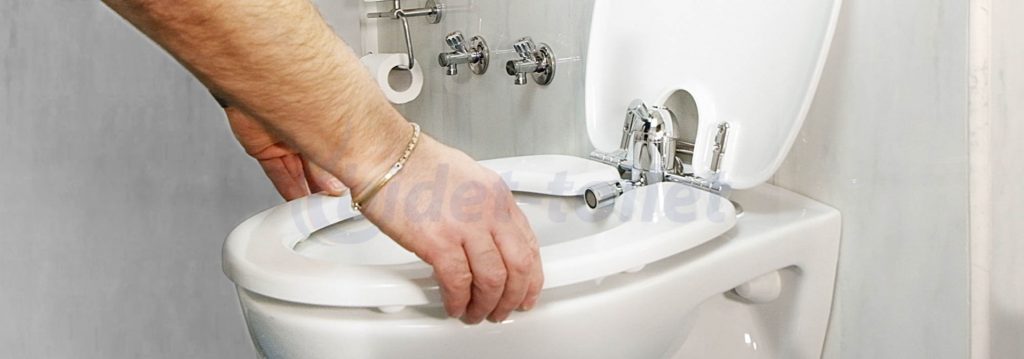
You’ll see two caps on the toilet seat when you shut the cover on your seat. The bolts attached to the toilet seat are hidden beneath these covers. These covers must be flipped open with a flathead screwdriver to access the bolt heads. The next step is to unscrew the fasteners with your screwdriver.
To remove the toilet seat from the bowl, you must unbolt it. Remove the toilet seat, and you’ll see the two mounting holes in the wall behind the bowl.
Place toilet safety rails in position
The next step is installing the grab bars on the toilet. The stall rails are the first thing that should be installed. Set up the safety rails on the toilet, but wait to attach them with the bolts until everything else is in place.
Connecting water supply
Shut off the main water line and attach the fill valve adaptor to the water storage tank. The flexible hose should be used in place of the water supply connection to the tank. Connect the fill valve to the flexible hone.
Removing wing nut
Take the wing nut from the fill valve adaptor and insert it into the plastic tube. The plastic tube should next be secured by tightening the wing nut.
Connect to the bidet
Join the plastic tube’s other end to the bidet. The bidet will leak if the pipe does not seal off the opening. After that, tighten the wing nut to ensure nothing will come loose.
Things to Consider Before Installing a Bidet
If you prefer an entry-level fixture that does not require replacing your entire seat, reviewing our step-by-step guide on how to install a bidet attachment details how thin mechanical mounting brackets bolt beneath your existing toilet seat bolts and connect directly to the cold-water line in under twenty minutes.
- You must first identify the type of toilet you currently own or intend to purchase. All bidets are not compatible with all toilets.
- Emptying the tank incorrectly can cause serious problems. If you have a tankless water heater, all you need to do to turn off the water is close the supply valve. You should think about this before putting in a bidet.
- A ground fault circuit interrupter (GFCI) should be used to safeguard electrical lines if an electric bidet is installed in a damp area. A greater worry is for people’s safety.
Benefits of Using the Bidet
Most people find that drying off with dry toilet paper leaves them feeling filthy even after using the restroom. One of the most important benefits of using a bidet is that you won’t feel like you’re still dirty after using a bidet because the water flushes away any remaining residue on your skin.
Using a bidet can drastically lessen the amount of toilet paper you throw away each time you go to the bathroom, which is fantastic news for the planet. The environmental impact of not utilizing a bidet can be substantial when considering the packaging, transportation, and other aspects of toilet paper. One of the excellent ways to save the planet and your wallet is to use a bidet.
Conclusion
Regular bidet attachments, such as seats and handheld sprayers, are simple and provide a convenient alternative. Bidets are a novel addition to personal hygiene routines that may result in fewer toilet paper rolls.
After reading this blog, we hope installing a bidet won’t be too difficult and that you now know how to install a bidet. There are several types of bidet seats available for installation on regular toilets. They are more DIY friendly and don’t take up additional space in the bathroom.
Related posts