
At first glance, the idea of using water to clean yourself after every toilet visit might seem wasteful. It’s a fair question—especially if you’re trying to reduce your environmental footprint or cut down on utility costs. Many people naturally wonder, do bidets waste water, or are they actually a smarter alternative to traditional toilet paper?
The confusion usually comes from focusing only on the water you can see — the spray from the bidet — while ignoring the much larger, hidden water costs tied to toilet paper production.
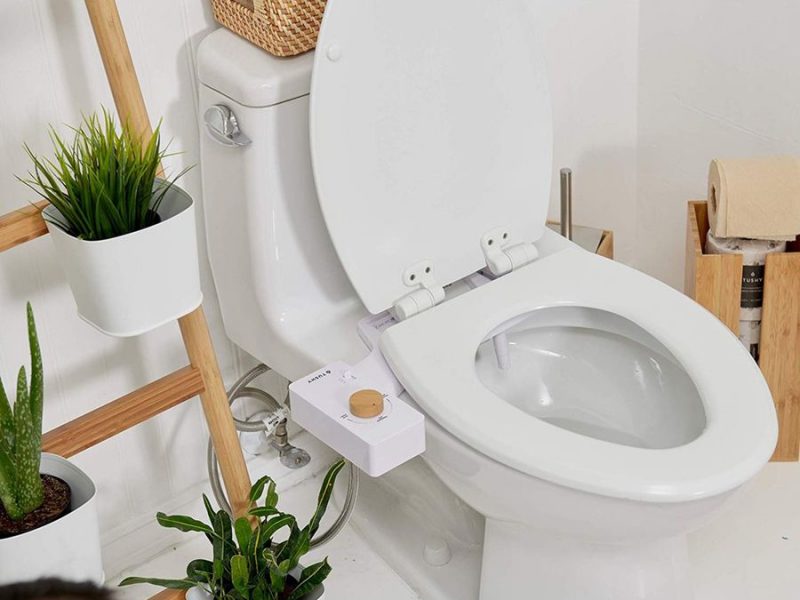
How Much Water Does a Bidet Actually Use?
A modern bidet is designed to clean effectively with a surprisingly small amount of water. On average, a single use requires somewhere between 0.05 and 0.1 gallons. That’s less than what most people use when briefly washing their hands. Over the course of a year, even regular use adds up to only a few gallons per person.
This efficiency comes down to design. Bidets use targeted spray nozzles that deliver water with controlled pressure, allowing for effective cleaning without excessive flow. The duration of use is also short, typically under a minute, which further limits consumption. In other words, the system is built to do more with less.
The Hidden Water Cost of Toilet Paper
Where things start to shift is when you compare bidets to toilet paper — not just in usage, but in production. While toilet paper doesn’t use water directly in your bathroom, it requires a massive amount of water to produce. Estimates suggest that a single roll can take around 30 to 40 gallons of water to manufacture. Multiply that across dozens of rolls per year per person, and the numbers escalate quickly.
Organizations like the EPA have highlighted the resource intensity of paper production, and water is one of the biggest factors. When you look at total consumption instead of just direct usage, the answer to whether do bidets waste water becomes much clearer—they actually help reduce overall water demand.
Do Bidets Lower Your Water Bill?
In practical terms, the impact on your water bill is usually minimal—and often slightly positive. The small amount of water used during each bidet session doesn’t significantly increase household consumption. At the same time, reducing or eliminating toilet paper purchases can offset costs in other ways.
That said, the financial benefit depends on your setup. Basic bidet attachments use only water pressure and add virtually no additional cost. More advanced electric models, such as the TOTO Washlet, may introduce minor electricity usage. Even then, the overall expense tends to remain low compared to the ongoing cost of paper products.
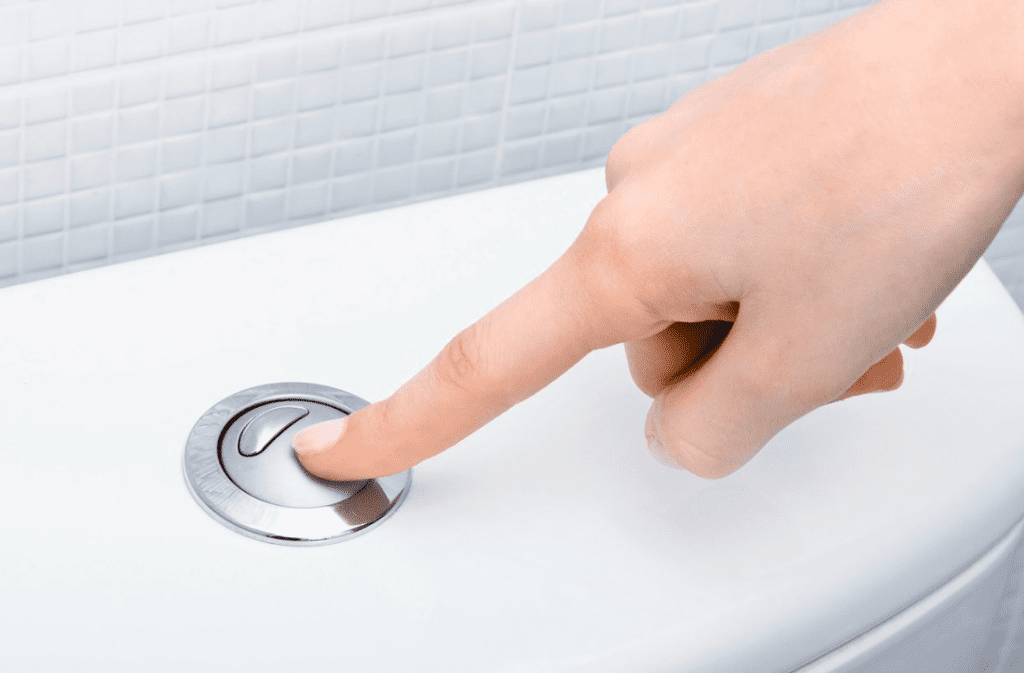
Environmental Impact: Looking Beyond the Bathroom
To really understand whether bidets are wasteful, you need to consider the broader concept of a Water footprint. This includes not just the water you use directly, but the water required to produce everything you consume.
From that perspective, bidets come out ahead. They reduce demand for toilet paper, which in turn lowers water use, energy consumption, and even deforestation associated with paper production. While a bidet does use water, it replaces a system that is far more resource-intensive overall.
This is why many sustainability-focused households and regions are gradually shifting toward bidet use—it’s not about eliminating water use, but about using it more intelligently.
Where Does Bidet Water Come From?
Another common concern is whether bidets use clean water. The answer is straightforward: they do. A bidet is connected directly to your home’s freshwater supply, the same source that feeds your sink and shower. It does not draw water from the toilet bowl or any unclean source.
In homes with properly maintained plumbing, the water used by a bidet is just as clean as the water you use to wash your hands or brush your teeth. Some higher-end models even include filters or self-cleaning nozzles to add an extra layer of hygiene.
Of course, if your home’s water supply is compromised, that issue extends beyond the bidet. It becomes a broader plumbing or water quality problem that needs to be addressed at the source.
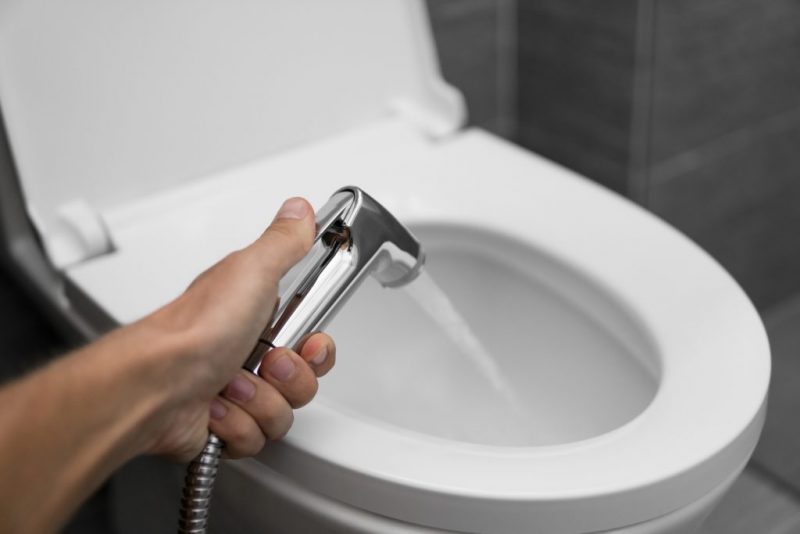
When a Bidet Might Not Be the Best Fit
While bidets are generally efficient, they’re not universally ideal. In homes with very low water pressure, performance can be limited. In those cases, users might compensate by running the bidet longer, which can reduce efficiency.
There’s also a behavioral factor. Because users control the spray, excessive use can increase water consumption slightly. Electric models, while more consistent, introduce additional cost and complexity that may not appeal to everyone.
Still, these are edge cases. For most households, the efficiency gains outweigh the drawbacks.
Final Verdict
When you evaluate both direct and indirect usage, the idea that do bidets waste water doesn’t hold up. They use a small, controlled amount during operation but eliminate the need for a highly resource-intensive product like toilet paper.
If your goal is to reduce overall water consumption and make a more sustainable choice, a bidet is not wasteful—it’s a clear upgrade.