Bidets have only recently surged in North American popularity, despite centuries of widespread use across Europe, Latin America, and the Middle East. Exploring the historical origins and French background of the bidet explains why the classic ceramic basin originated as a dedicated piece of bedroom furniture before evolving into the separate porcelain fixture plumbed beside modern European toilets.
Because a bidet resembles a shorter sink in the shape of a bowl, many people who have never used one before may be confused about how to use it properly. You can learn more about how to use a standalone bidet with this helpful guide!
What Is a Standalone Bidet?
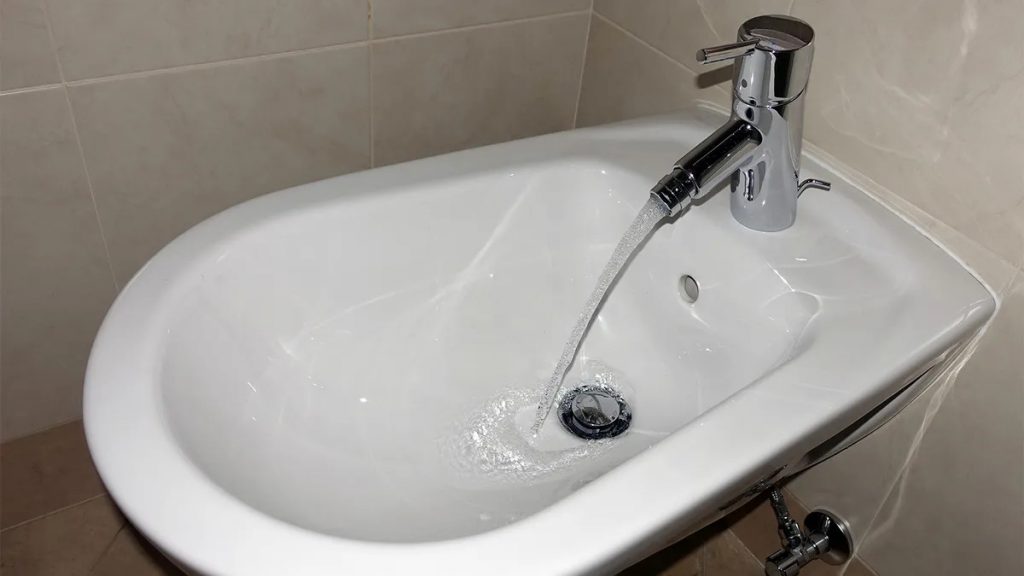
If you want a bidet that does not need to be plumbed into your toilet bowl, you can get a freestanding model that you can place right next to your toilet. These bidets are known as standalone bidets.
Standalone bidets are available in two configurations: mounted on the wall or laid out flat. Its bowl is shaped like a traditional toilet, as are its seat and lid, but there are some significant differences. The bidet’s spout is fed by household water, but the appliance boosts the water pressure.
How to Use a Standalone Bidet
The process for using a bidet is essentially the same across the various types of bidets, with some minor variations in using solitary bidets. How it all works is as follows:
Use the toilet
Always complete your bowel movement or urination in the conventional commode first. Understanding why you can never poop in a bidet comes down to underlying plumbing: standalone basins connect to standard 1.5-inch sink waste lines with shallow traps rather than large 4-inch soil pipes, meaning any solid waste or dropped paper will immediately trigger severe drain blockages.
Find and use the bidet
You can use a bidet in either direction on a standard, wall-mounted unit. Straddling the bidet and turning your back to the water source is another option. While in this position, you’ll have easy access to the controls, which typically means you’ll have to take your pants down, too.
Sitting posture depends entirely on which area requires cleansing. When reviewing how women should use a bidet, straddling the basin facing the wall faucets allows direct line-of-sight and precise front-to-back water flow across delicate vulvar folds, whereas facing outward like a normal toilet is ideal for posterior washing.
Turn on the bidet
Once you’ve settled into the bidet’s seat, press the WASH button on the side to begin using it. The bidet’s nozzle extends out when you click this button, washing your behind before retracting when you hit the STOP button. Not all bidets have a retractable bidet. However, all of them have a nozzle for cleaning privates.
To use the bidet effectively, you must ensure the water is at the proper temperature before using it, and do this before you even let the water touch your skin.
Clean yourself
Always test the water temperature with your hand before straddling the bowl. While some users consider using soap with a bidet, running warm water alone is usually sufficient to lift and flush away bacteria; if you choose to use soap, select a mild, unscented bar to avoid stripping natural skin lipids or disrupting delicate pH levels.
Dry your hands
Drying off requires careful attention in shared or guest bathrooms. Following the essential rules of bidet towel etiquette prevents embarrassing blunders: while personal European homes often provide small, dedicated bidet linens on a nearby rail, guests should never use a host’s hanging washcloth to pat themselves dry. Instead, use a few squares of toilet paper or request a clean linen specifically designated for post-wash drying.
Rinse The Bidet
If you want to ensure the bidet is ready for the next user when you’re done, you can rinse it by directing a water jet at the sides and portions of the bidet. If you keep the water running after you use it, you’re being wasteful. Put yourself in the shoes of the person who will use the bidet after you, and ensure it’s in good enough shape that you’d want to use it.
The Benefits of a Standalone Bidet
Enhanced hygiene
Unlike toilet paper, bidets are superior at eliminating germs, bacteria, and other residues. The potential for infection after inappropriate wiping is reduced. The use of a bidet can lessen post-shower skin irritation and body odor.
The use of a hands-free bidet can also aid in preventing the transmission of disease. Those more likely not to wash their hands after using the restroom may benefit most from this.
Less waste
The typical American uses one toilet paper daily, while three rolls are needed weekly. This has serious consequences for forests around the world.
Transitioning to water cleansing drastically curbs single-use paper reliance. In any direct comparison of bidets versus toilet paper, water washing not only leaves the perineum far cleaner but also saves trees and reduces the industrial wastewater generated by high-volume paper mills.
Towels and toilet paper are two areas where household budgets might be trimmed. We can do many simple things to help the environment, and installing water-saving toilets is one of them; they also help cut down on wasteful water use and costly energy costs.
Increasing bathroom independence
It’s possible that those who are overweight or have mobility issues would find it easier to use a bidet than to wipe. With a bidet, the user doesn’t have to do anything to become clean (including drying off), which is great news for anyone who requires extra space and independence while using the restroom.
Long-Term savings
An up-front bidet cost may be prohibitive, but in the long run, having a bidet will be money well spent. Even after installing a bidet, you may choose to use toilet paper if you choose.
However, if you start now and save up for toilet paper, you’ll have a tonne of the fund left over at the end of the year. When you add up how much money you were able to save, you will be astounded, and it’s likely to be more than you spent on the bidet itself.
Conclusion
The convenience of a bidet that stands on its own is invaluable for those who have difficulty moving around. They have a lower environmental impact than tree-based tissue paper. Knowing how to use a standalone bidet is beneficial for your health and environment.
Bidets typically use water rather than tissues and are unlikely to cause toilet blockages. Standalone bidets have numerous advantages but can be intimidating to those who have never used one.
To begin, you’ll need to use relatively low pressures, and you’ll eventually realize that you can’t imagine life without the conveniences provided by a standalone bidet.